


Organize your data. Unlock its value. Control how it’s accessed, shared, and monetized.
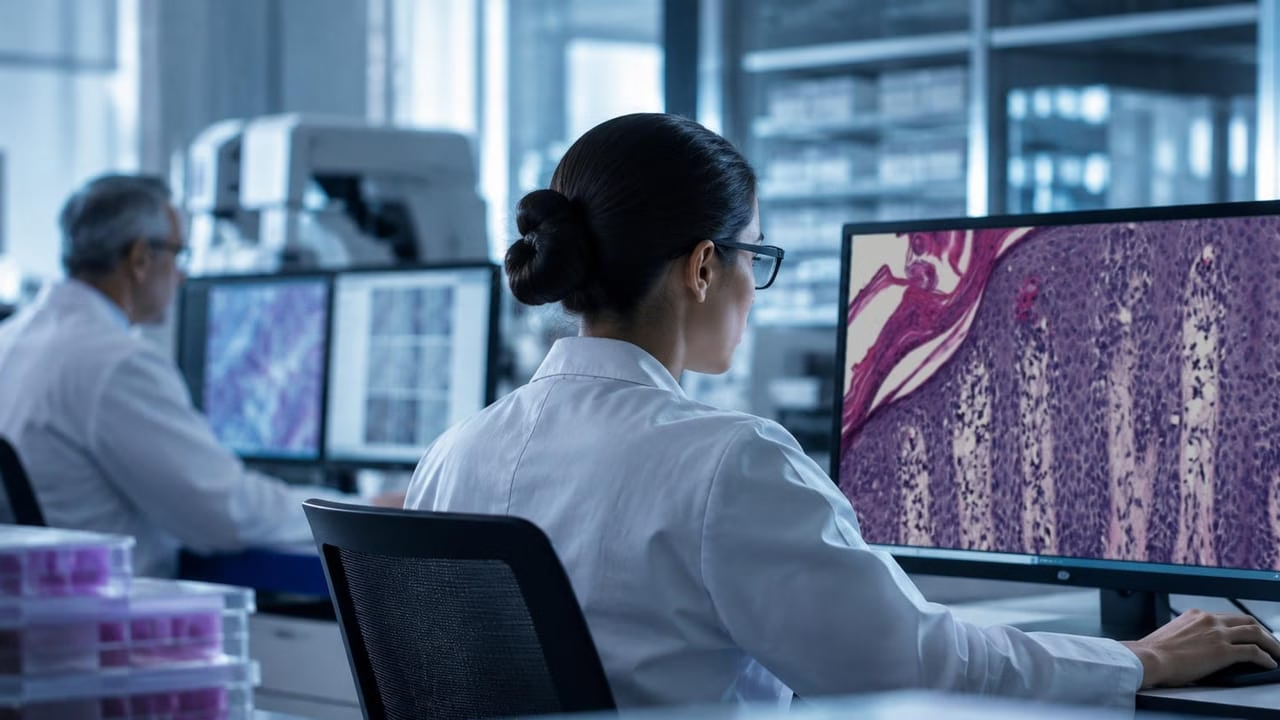
Academic centers, AI developers, pharmaceutical companies, CROs, and tissue banks generate vast volumes of data, including whole slide images, annotations, and detailed slide-level metadata. Yet without strong organization and data governance, these valuable assets are often siloed in disconnected systems. PathPresenter’s Research Data Exchange Management solution gives you the power to organize whole slide images, imaging modalities, and study metadata into governed datasets that teams can actually find and reuse. You can move from scattered images to discoverable cohorts…and achieve compelling ROI.
Get More Control
Without a centralized inventory system, clear organization, and rigorous data governance, valuable pathology data can effectively disappear, undermining collaboration and eroding the scientific and translational value of downstream research. Organizations need a way to leverage their pathology data in a secure, controlled way–to organize it, package it, share it, and unlock its value for research and ROI.
What research institutions need is a way to build and manage their own comprehensive data commons to allow data exchange. PathPresenter offers a powerful solution specifically for this purpose.

Centralized Workspace
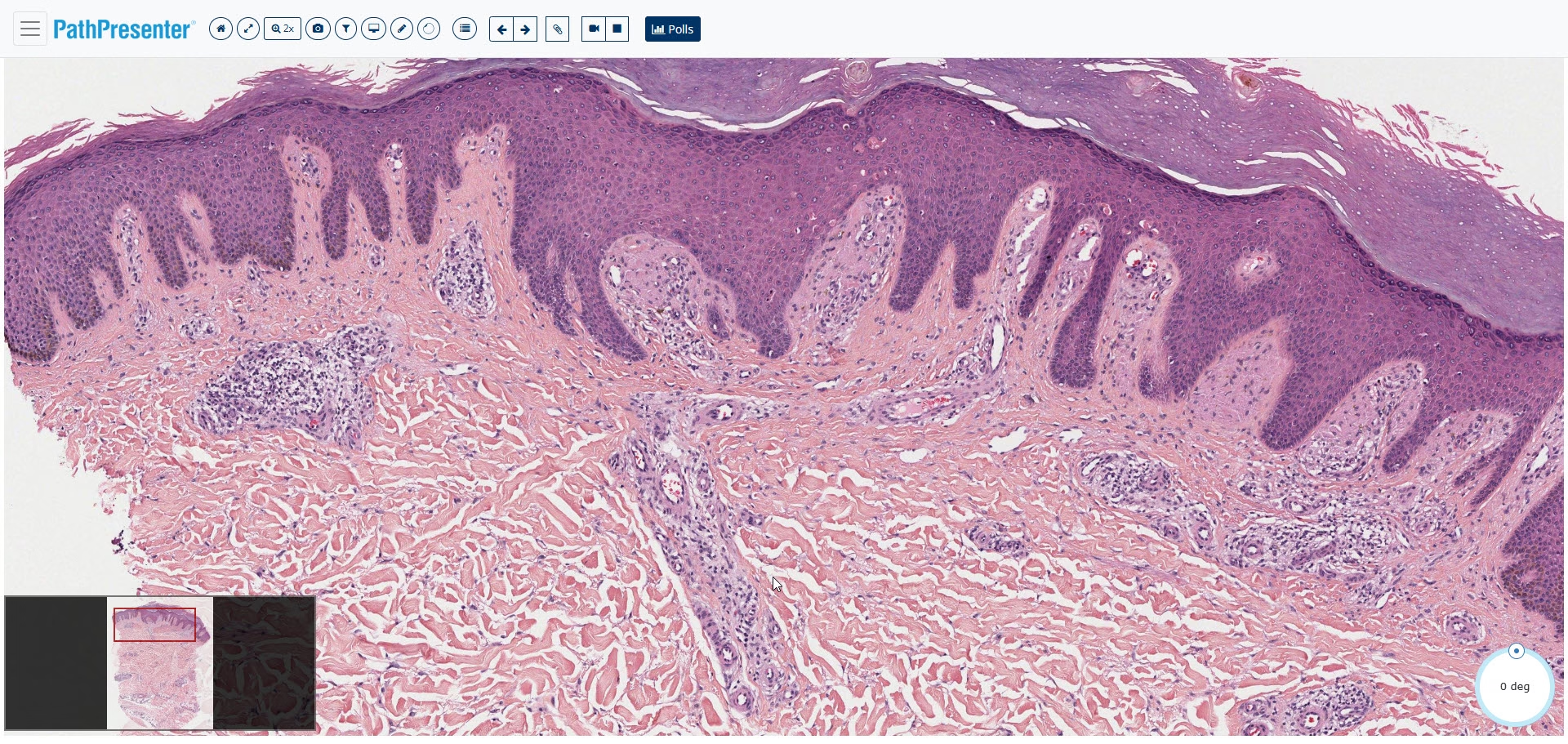
Developed with input from leading research institutions, PathPresenter’s Research Data Exchange Management module enables secure sharing and management of imaging data. It gives institutions the ability to organize datasets while maintaining full ownership and control.

Structured Data Association
Whole slide images are linked directly to structured clinical and specimen metadata from LIS, barcodes, and EHRs, making datasets fully searchable and analysis-ready.
Honest Broker Architecture
Our HIPAA-compliant architecture enables honest brokers to securely approve, de-identify, transfer, and retrieve data from clinical systems for research and educational purposes through approved workflows.
Get More Interoperability & Governance
Image Data and Metadata Management
Comprehensive tools to organize diverse imaging datasets beyond standard WSIs within structured research collections. The whole slide image viewer and research workflows natively support multiplex immunofluorescence, DICOM series, and radiology files side-by-side.
Strict Data Governance
Built-in controls to manage dataset and project access, support institutional governance requirements, and enable read-only discovery of curated datasets with request-based access for research or educational use.
EMR Data Integration and Abstraction
Secure connectivity to electronic medical record (EMR) systems to extract and structure clinical data, such as diagnoses, molecular results, and longitudinal patient history, linking it directly with imaging datasets for research and cohort discovery.
Get More Innovation
AI Application Integration
The curated datasets generated from research studies enable teams to build and refine algorithms. WSI-based AI applications can then be executed directly within the research environment to enable analysis and discovery. Through a robust API, our platform integrates AI models from multiple vendors, allowing researchers to run algorithms and perform verification and validation (V&V) within the same environment.


Next-Generation Repositories
Our scalable and secure cloud-based digital workflow platform empowers biorepositories and institutional databanks to create next generation digital repositories of pathology imaging data. Biorepositories can upload whole slide images along with de-identified tissue metadata, such as diagnosis, tumor grade, treatment information, and outcome data, making it easy for researchers to search and utilize the data stored in the repository. Researchers can build entire research projects as well as test AI models without exhausting limited biospecimens.
Get More ROI
Unlocking Hidden Value
PathPresenter helps academic and pharma research organizations generate strong return on investment from their digital pathology infrastructure by establishing a standardized workflow that facilitates the easy distribution of data, collaboration among researchers, and user-friendly tools for researchers to work with whole slide images in research.
Key to our approach is the belief that organizations should be able to keep ownership of and fully monetize their own data. Institutions should be able to easily search, filter, package and share their data without ever losing control of it or its value.
The biobank of the future requires the collection and timely delivery of high quality biospecimens for researchers and simultaneous annotation and de-identification that can be easily accessible to the research community.