Pathoverse Part 2: Seeking Seamless Remote Consultations

Removing Friction from Digital Consult Workflows

This article summarizes part 2 of our “Into the Pathoverse” webinar, recorded at Pathology Visions 2025 in San Diego and available on-demand. This segment starts at 9:07 in the full video. Watch the full video.
Every major innovation begins with a spark—a problem so persistent and universal that someone finally decides to solve it. For PathPresenter, that spark came from a challenge faced by pathologists everywhere: managing digital pathology images at scale.

When the conversation turns to digital pathology, especially remote consultations, one theme consistently rises to the surface: friction. In this second segment of the Pathoverse webinar, Raj Singh laid out the many barriers that prevent hospitals from delivering fast, reliable digital consults—even when the expertise is readily available.

Pathologists are willing and prepared to provide second opinions. The issue, he emphasized, is not a shortage of talent. The issue is everything that happens before the expert ever sees the case.

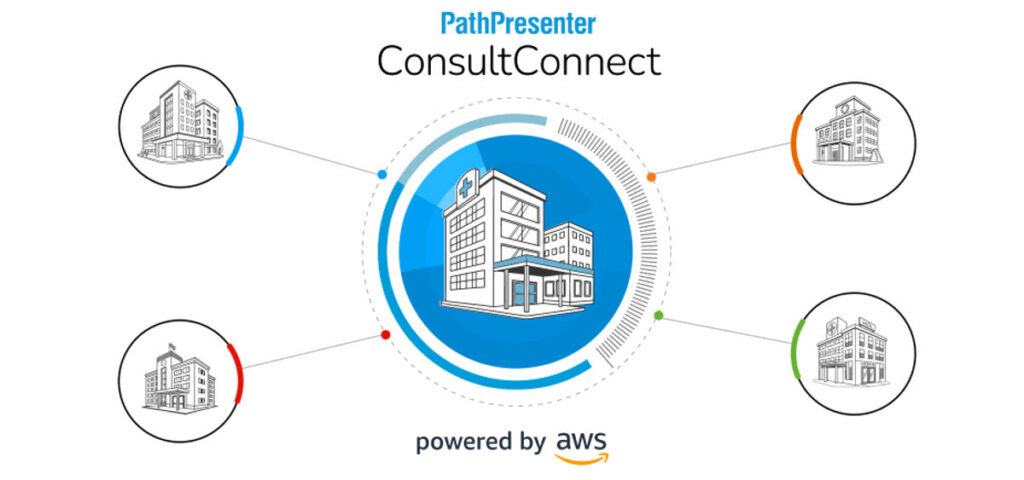
ConsultConnect, a new solution from PathPresenter, was designed to eliminate that friction entirely, and via collaboration with Grundium and AWS, it’s enabling new progress.

Why Digital Consults Remain Surprisingly Slow

Although digital pathology has made tremendous strides, Raj pointed out that most consultation workflows are still stuck in the past. Even partner hospitals within the same health system often lack interoperable processes for exchanging consults, let alone independent hospitals seeking external second opinions.

The result is a slow, fragmented experience. Today, a consultation typically takes five to fourteen days before a final report is issued. Not because pathologists are unavailable—but because the logistics are cumbersome:

  • Glass slides must be packaged, shipped, and accessioned.
  • Additional stains may need to be ordered after the slide arrives.
  • Referring institutions send paper folders filled with patient metadata that must be manually entered.
  • Cases might involve multiple accession numbers and include gross images, radiology, clinical photos, and reports.

Even when hospitals attempt a digital approach, the process is rarely secure or efficient. Raj described scenarios familiar to many pathologists: digitized slides uploaded to Dropbox or Box (not HIPAA-compliant), sent without integrated viewers, and distributed in proprietary formats that receiving institutions cannot open. A Leica file may not open on a Philips viewer; a Hamamatsu file may not work with a Leica toolset. On top of that, the core logistical burden persists: images still need to be transferred, stored, and organized manually.

The Need for a New Type of Consultation Service

Raj argued that digital consultations require a fundamentally different service model—one that acknowledges the complexity of real consults. Pathologists often need not just slides, but clinical images, radiology, gross photos, reports, pathology notes, and ongoing communication with the referring provider.

Yet institutions struggle to build this infrastructure. High costs, storage requirements, lengthy implementation timelines, interoperability challenges, and the difficulty of securing funding from leadership all slow progress.

Hospitals want digital consults. Pathologists want digital consults. Patients certainly benefit from them. But the barrier has always been the same: implementing a complete and reliable system is hard.

Enter ConsultConnect

To address this gap, PathPresenter developed ConsultConnect, a turnkey solution that allows hospitals to start offering digital consults almost immediately, and without any upfront investment.

Raj described it as “the fastest and easiest route to digital pathology,” and also emphasized, following the recurring theme of the Pathoverse, that the route also depends on interoperability and collaborations with other innovators, in this case Grundium, providing cost-efficient slide scanners optimized for rapid deployment, and AWS, powering the secure cloud infrastructure needed for seamless data exchange.

Together with PathPresenter, these partners have created a streamlined consultation pipeline.

How ConsultConnect Works

The model is designed to eliminate every major barrier—from scanning to storage to data transfer. Raj explained the workflow in simple terms:

  1. PathPresenter creates a customized web portal for the institution. This portal is provided at no cost and can be deployed within days.
  2. Referring hospitals upload whole slide images, metadata, and supporting files directly into the portal. Scanners like Grundium’s new Ocus series are installed locally to minimize hardware expense.
  3. PathPresenter’s HL7 middleware automatically transfers all information from the portal into the receiving institution’s LIS or digital dashboard.
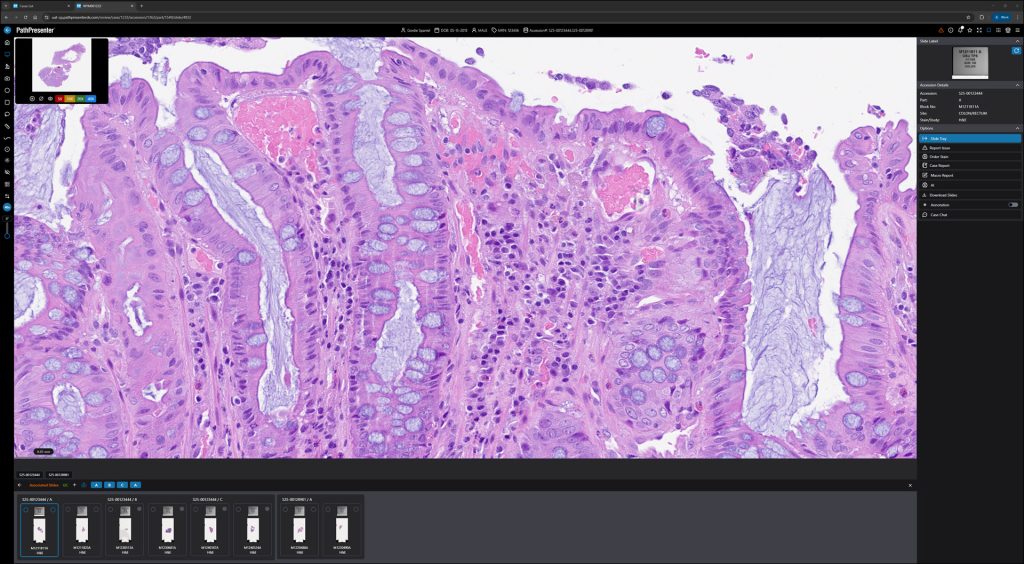
  4. Pathologists review the case within the PathPresenter IMS. They can request additional stains, communicate with the referring provider, and view all case materials in one place.
  5. The completed report is uploaded back to the portal, where the referring hospital can immediately download it.

The process removes shipping delays, metadata errors, viewer incompatibilities, and the need for separate storage systems. Everything flows through a single, secure environment.

No Upfront Costs—and Deployment in Days

One of the most remarkable aspects of ConsultConnect is its financial model. Raj emphasized that institutions pay nothing up front to create the web portal or deploy storage. Costs begin only after consults start flowing, on a per-consult basis.

This makes approval from leadership significantly easier—and dramatically accelerates adoption. Instead of waiting months (or years) for capital projects and IT integrations, a hospital can begin offering digital consults in a matter of days.

Transforming the Economics of Digital Pathology

Raj noted that many pathology departments struggle to justify digital investments because they are often perceived as cost centers. ConsultConnect flips the narrative.

With digital consults in place:

  • Institutions gain new revenue streams by offering remote second opinions.
  • Departments can demonstrate profitability, strengthening the case for additional digital pathology investment.
  • Pathologists can extend their reach globally, rather than being limited to local or regional consult requests.

For patients, the benefits are immediate—faster access to subspecialty expertise, improved diagnostic speed, and reduced risk associated with shipping fragile slides.

Setting the Stage for What Comes Next

Raj closed his segment by framing ConsultConnect as one part of a broader movement to unlock digital pathology’s potential. By eliminating the logistical pain points associated with consults, ConsultConnect frees institutions to focus on quality, collaboration, and clinical impact.

In Part 3, Todd Vanden Branden explores how Grundium scanners reinforce this mission by making digital pathology more accessible than ever.

More Information

Interested in learning more about how these solutions can help solve your own challenges? Contact us.
Pathoverse Part 1: Introducing the Pathoverse

This article summarizes part 1 of our “Into the Pathoverse” webinar, recorded at Pathology Visions 2025 in San Diego and available on-demand. Watch the full video.

Every major innovation begins with a spark—a problem so persistent and universal that someone finally decides to solve it. For PathPresenter, that spark came from a challenge faced by pathologists everywhere: managing digital pathology images at scale.

In his opening segment of the Pathoverse webinar, Dr. Raj Singh described how the company emerged from his frustration as a practicing pathologist with the growing complexity of image management. Handling a handful of digital slides was easy. But as datasets grew, image formats multiplied, and systems evolved independently, turning those images into usable, accessible clinical assets became a major challenge. What pathologists truly needed, he argued, was a seamless environment where cases appeared when needed, workflows were smooth, and data interoperability happened quietly in the background.

That vision became the foundation of PathPresenter.

A Platform Built by Pathologists, for Pathologists

Dr. Singh emphasized that PathPresenter was never conceived as a technology-first company. Instead, it was built around deep domain knowledge and the lived experience of practicing pathologists. The team behind it—largely pathologists themselves—understood the daily frictions of digital pathology. Their goal was straightforward: create tools they would be proud to use in their own departments.

One of the platform’s defining characteristics is its agnostic design. PathPresenter supports virtually any scanner, AI algorithm, LIS environment, or storage setup. This flexibility reflects a simple reality: pathology labs operate with diverse systems, and forcing uniformity only creates new barriers.

This commitment has paid off. The open PathPresenter platform has grown to more than 70,000 users across 180 countries, with institutions uploading data from every type of scanner and imaging modality. In the U.S., more than 60 institutions now use the enterprise version of the platform for clinical, educational, and research workflows. This global scale has provided the PathPresenter team with unparalleled real-world experience in managing digital pathology data.

Filling Gaps in Digital Pathology

Throughout the webinar, Dr. Singh highlighted how PathPresenter has consistently focused on solving unmet needs in the digital pathology space. Early on, education emerged as a critical gap. In response, PathPresenter developed what has become one of the most widely used digital training platforms for pathology residents and fellows.

The company then expanded into remote consultations, building the first robust digital consult platform. Later came a biobanking module designed to help institutions unlock the value of their data by making it securely accessible to researchers, AI developers, and pharmaceutical partners.

Together, these components form an end-to-end ecosystem that supports:

  • Clinical diagnosis and consultation through an enterprise case management system with an FDA-approved viewer
  • Education and training through digital classrooms at more than 30 institutions
  • Research and discovery through HIPAA-compliant biobanking and data-sharing tools

These capabilities now power multiple petabytes of managed data for major medical centers including MSKCC, Cincinnati Children’s, Summit Health, and leading diagnostic networks across Asia such as Dr. Lal PathLabs and Agilis.

Building an Interconnected Digital Pathology Ecosystem

Dr. Singh underscored a theme that ran throughout his presentation: no single organization can advance digital pathology alone. Progress requires meaningful collaboration across industry, academia, and clinical practice.

To that end, PathPresenter has built extensive partnerships with scanner manufacturers, AI companies, pharmaceutical organizations, and research institutions. This interconnected approach ensures that innovations don’t remain isolated in silos, but instead reach pathologists, oncologists, researchers, and even patients through real-world workflows.

AI is a prime example. While many companies create impressive algorithms, those tools become clinically valuable only when connected to a broader ecosystem. PathPresenter integrates multiple AI models directly into its platform to enable use in diagnosis, quantification, research, and even patient-centered report interpretation. These integrations, Dr. Singh explained, demonstrate how the platform acts as the connective tissue of digital pathology—linking data, experts, and technology.

Introducing the Pathoverse

All of this work naturally led to the concept at the heart of the webinar: the Pathoverse.

Dr. Singh described the Pathoverse as a global digital infrastructure that connects pathology workflows with the rapidly expanding universe of new technologies—virtual staining, 3D pathology, synthetic data, digital twins, AI-driven drug discovery, and more. Each of these fields requires real-world data, standardized workflows, and seamless integration. The Pathoverse provides those foundations through three key pillars:

  1. Trusted workflows validated through enterprise-scale use
  2. Global adoption and community, uniting tens of thousands of users
  3. Seamless interoperability with hardware, software, and data systems

These pillars form a launchpad where new ideas can move from prototype to real-world deployment efficiently and securely.

Powering Collaboration 

PathPresenter’s role is to connect global communities of innovators, including pathologists, educators, researchers as well as AI developers, hardware manufacturers, and advanced software companies to enable them to build together, rather than in isolation. By eliminating technological barriers, the Pathoverse turns fragmented silos into connected systems.

This approach is already producing tangible results. During the webinar, Dr. Singh highlighted three active collaborations that exemplify the model:

  • ConsultConnect, which benefits from alignment with Grundium and AWS
  • A clinical-trial-to-real-world-data integration with Imagenomix
  • The widespread deployment of DeepLIIF, created by Dr. Saad Nadeem at MSKCC

These partnerships demonstrate how the Pathoverse accelerates innovation and brings emerging technologies directly into clinical and research environments.


Dr. Singh’s introduction set the stage for the rest of the Pathoverse webinar by showing not only how PathPresenter began, but also how it has grown into one of the most important connective platforms in digital pathology today—bridging the work pathologists do now with the technologies that will define the future.

More Information

Interested in learning more about how these solutions can help solve your own challenges? Contact us.

Speech-Enabled Digital Pathology: Uniting Slide Review and Reporting

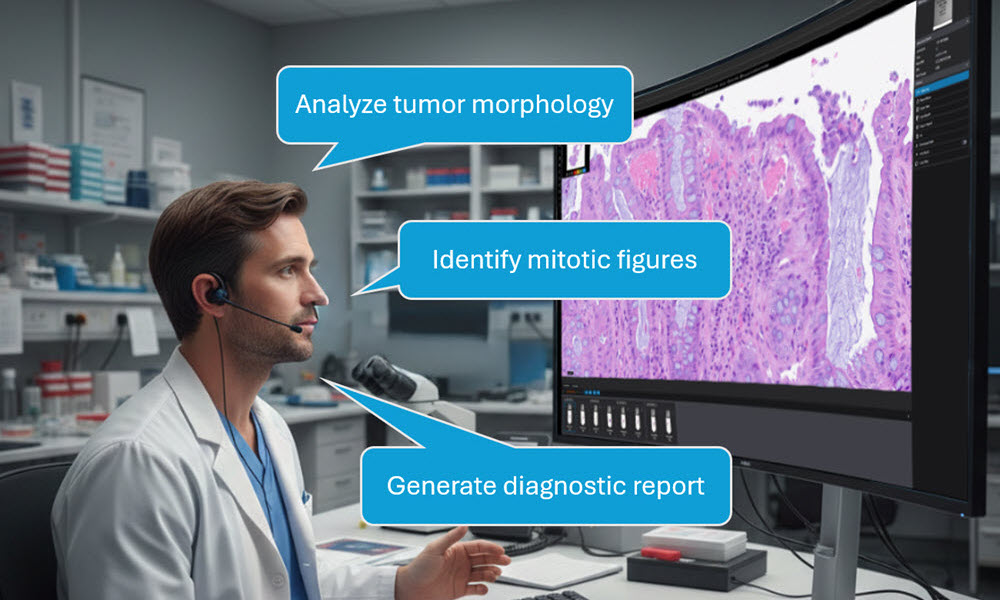
Voice-enabled control of IMS and pathology reporting

Digital pathology has transformed how we review slides. But for many labs, one piece of the workflow still feels strangely analog: reporting. Integrating voice-based pathology reporting, like Voicebrook’s VoiceOver PRO, directly into a best-in-class image management system such as PathPresenter closes that gap and creates a truly end-to-end digital workflow.

VoiceOver PRO is purpose-built for pathology, not just generic speech-to-text. It combines high-accuracy medical speech recognition with pathology-specific vocabularies, structured templates, and CAP eCP content to help pathologists generate standardized, compliant reports in real time.Instead of juggling dictation, manual typing, and separate reporting tools, pathologists can dictate findings, complete synoptic elements, and capture discrete data within one streamlined environment.

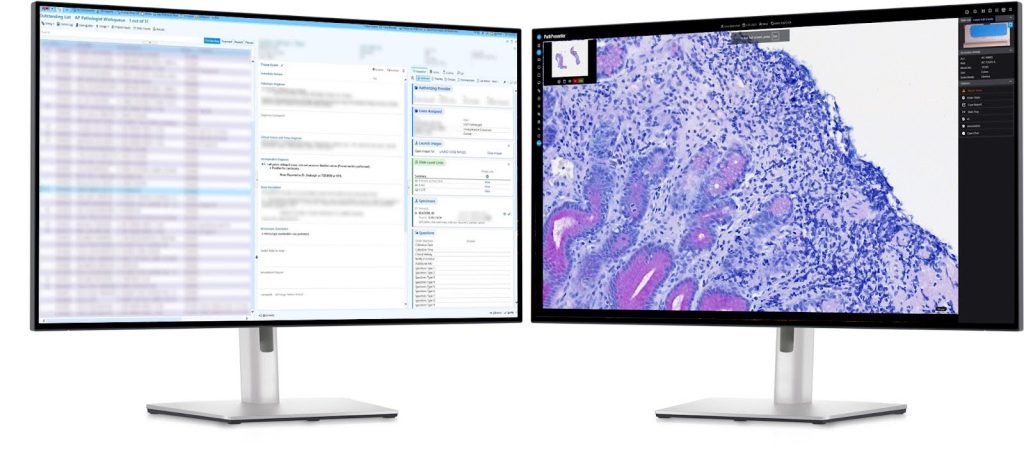
PathPresenter is an enterprise-grade image management and workflow platform designed specifically for digital pathology, now FDA 510(k)-cleared and CE-IVDR certified for primary diagnosis. It supports clinical care, remote consultations, research, and education on a unified platform, making it the digital “hub” for whole slide images across the organization.

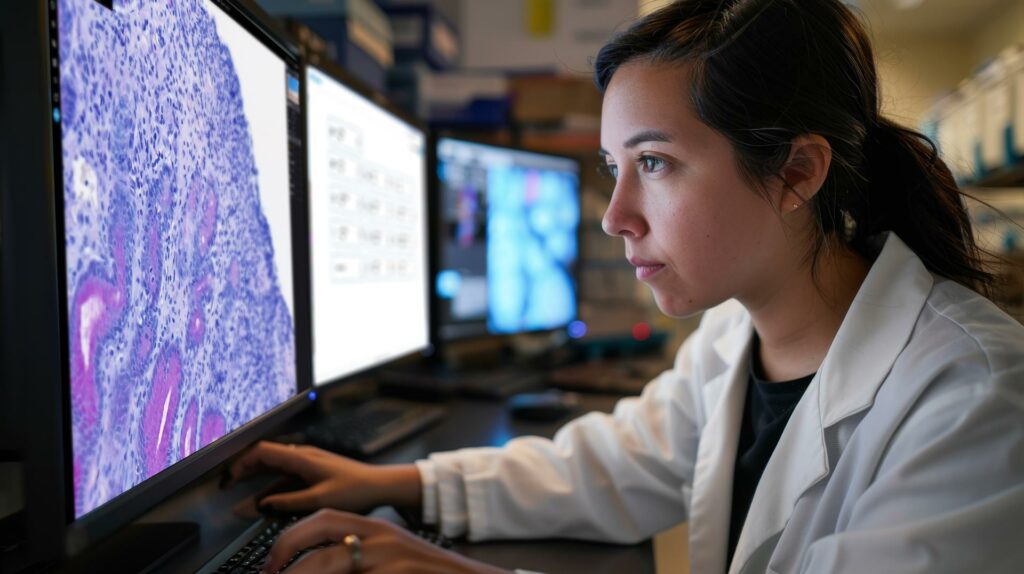
The new integration between Voicebrook and PathPresenter connects these strengths into a single, voice-driven diagnostic workspace. Pathologists can review digital slides in PathPresenter and, without leaving the viewer, use VoiceOver PRO to navigate, dictate narrative findings, complete CAP protocols, and finalize reports. This reduces disruptive context-switching between systems, shortens turnaround times, and helps laboratories standardize how information is captured and reported.

Operationally, this kind of integration can translate into fewer errors, faster case completion, and better use of staff time. VoiceOver PRO’s structured templates, field validation, and CAP intelligence reduce missing data and reporting variability, while eliminating or dramatically reducing transcription costs. PathPresenter’s scalable IMS and workflow tools then ensure those high-quality reports are tightly linked to the corresponding images, supporting audits, tumor boards, AI model deployment, and long-term data reuse. 

Most importantly, combining speech-enabled reporting with a modern digital pathology platform gives pathologists more time to focus on what matters: making accurate, timely diagnoses. By uniting slide navigation and reporting in one integrated workspace, Voicebrook and PathPresenter help labs move beyond fragmented tools and into a cohesive, future-ready digital pathology ecosystem. 

Interested in voice integration for your own institution? If you already had it, you could literally just “say the word” to control an AI workflow to contact us…but until then please use our contact form.

Digital Pathology: What Every CIO Needs to Know

by Patrick Myles
CEO, PathPresenter

As healthcare systems embrace digital transformation, digital pathology is becoming a cornerstone of precision medicine. By digitizing glass slides into high-resolution images and integrating them into clinical, education, and research workflows, hospitals and laboratories can reap the many benefits of new digital tools in pathology, including access to promising new AI algorithms. However, the transition to digital pathology presents a complex set of IT challenges and requirements, particularly for CIOs responsible for ensuring operational readiness, scalability, security, and compliance.

This article outlines key technical considerations for digital pathology workflow systems with insights earned from the experience of real-world implementations.

Digital Pathology: Growing Pains

For CIOs familiar with enterprise imaging and PACS, it’s important to understand that digital pathology presents distinct challenges. Enterprise imaging has reached a level of maturity where standardized protocols—most notably DICOM—are widely adopted, enabling consistent image formatting, storage, and interoperability across systems. In contrast, digital pathology is still in the early stages of standardization. Key components of the digital pathology workflow—such as slide scanners, laboratory information systems (LIS), image management systems (IMS), and AI tools—often operate in silos with limited interoperability. While concepts from PACS remain relevant to pathology, and emerging standards like DICOM for pathology are beginning to bridge the gap, the digital pathology field is still in the process of catching up to the more unified and standardized environment found in enterprise imaging.

As a result, there is no “one size fits all” cookie cutter solution for a digital pathology project. Each institution is unique and so are their implementations of digital pathology. Hidden complexities often arise mid-process, requiring flexibility and expertise from the vendors and development teams. Implementing digital pathology requires addressing a multitude of complex technical and operational challenges, underscoring the importance of a well-planned and executed strategy.

IT Challenges in Digital Pathology

Multiple scanners and slide formats

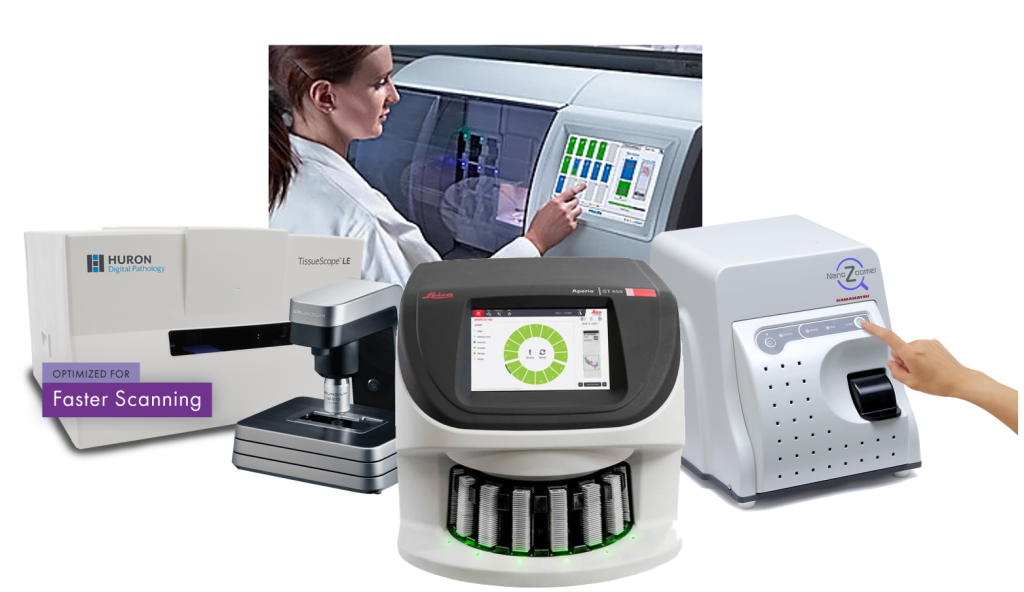
The slide scanning market has a variety of vendors, many with their own proprietary file formats for whole slide images (WSI). These include Leica’s .SVS format, Hamamatsu’s .NDPI, Philips’s .TIFF variant, 3DHISTECH’s .MXRS, Roche’s .BIF, Evident’s .VSI and more. Broad format support and interoperability are important factors of selection for the IMS and LIS platforms that will manage the slide images. 

Additionally, a fully featured IMS should support not just whole slide images but gross (macroscopic) images, clinical photographs, radiology images (e.g. DICOM format), molecular and genomic visualizations, cytology images, documents and reports, and even video. Therefore the image management system plays a key role as a central hub providing the access that unlocks the full value of these various imaging assets. 

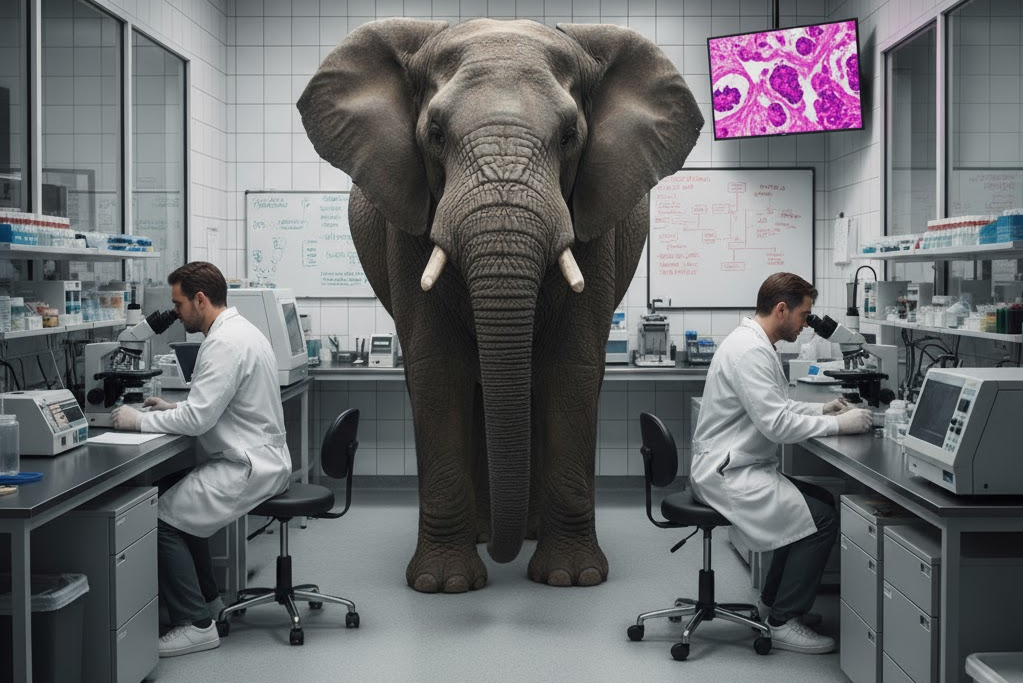
Storage and Performance – The Elephant in the Room

Storage is the elephant in the room: digital pathology generates huge, multi-gigabyte images, and IT must deliver fast transfer and rendering to give pathologists microscope-like responsiveness—while balancing performance, scalability, security, budget, and compliance.

On-Premise Architectures
Strong on security, data sovereignty, and low-latency performance, but costly to build, maintain, and scale; large images can strain local networks and expose legacy limitations.

Cloud Architectures
Highly scalable with built-in redundancy and lower IT burden, but offers less direct control over data, more complex regulatory considerations, and potential vendor lock-in.

Hybrid Architectures
Keeps active data on-prem for speed and uses the cloud for archival storage, balancing cost and control. The tradeoff is added complexity in synchronizing, securing, and monitoring two environments.

Performance Considerations
Serving hundreds of users requires high-bandwidth networks and efficient image streaming (like Google Maps tiles), often supplemented by GPU-accelerated resources or HPC clusters for AI. CDNs or edge caches help further reduce latency.

LIS Integration

Lab information systems such as those from EPIC, Novopath, and LigoLab are vital to managing, tracking and documenting diagnostic workflows in pathology, and so a smooth integration between LIS and IMS is key to system level usability and effectiveness. Not all LIS (particularly legacy systems) were built for wider digital pathology workflows and many lack built-in support for two-way communication and AI integration. Even within one LIS platform, different versions can prevent easy integration. The market has multiple approaches and protocols for integration (e.g. HL7, TCP/IP, SFTP, HTTPs, VPN) and multiple interface engines (e.g. Mirth, Rhapsody). Integration is key to unlocking the benefits of digital pathology, so systems not built with integration in mind can face significant obstacles or complexity in customization and workarounds.

AI Model Integration

As in enterprise imaging, AI is playing an important role in advancing pathology, offering previously unseen capabilities that are driving precision medicine. But with that power comes complexity, especially when integrating with other system components. Some AI models, especially the earliest, have been designed as purely standalone with no workflow integration to an IMS or LIS. Ideally, AI functionality should be easily accessible from the LIS or IMS, and the output of AI analysis models should flow seamlessly back into the larger network of systems to be available across the entire workflow. 

Another challenge comes from the different ways various AI models work: some operate on patches (specific sub-regions of an image), some with whole slides, textual data, or a combination. Developers may have built their own viewers specifically for their models to optimize their use, but since pathologists will often seek to use multiple tools to address different specialties, a unified viewer (available in some IMSs) that integrates multiple models simplifies the user experience and minimizes errors or inconsistencies from switching between different systems. 

AI brings its own infrastructure considerations too. AI implemented on-prem has fewer security issues since data does not leave the organization’s environment and data transfer and processing are local, but some AI vendors are not comfortable placing their algorithm code on-prem. On-prem also requires a heavy compute infrastructure with the associated maintenance and support personnel. Cloud once again offers scalability and flexibility with lower infrastructure requirements and no intellectual property concerns for AI vendors, but it trades that against issues of data transfer bandwidth, security, cost, regulatory compliance and data sovereignty. 

Security considerations

It goes without saying that security for personal health information (PHI) must be paramount (and regulated). This requires end to end encryption for all data transfer between LIS, IMS, and AI models, as well as robust user authentication, role based access control, and comprehensive audit trails logging the complete history of all data interactions. 

Choosing the Right Workflow/IMS Partner

PathPresenter for Digital Pathology. Image Management Simplified

Implementing digital pathology is a complex and specialized endeavor, requiring more than just good technology—it demands the right partner. While no two deployments are alike, many institutions have already paved the way with successful implementations. Their secret? Choosing vendors with deep expertise in both pathology workflows and the underlying IT infrastructure. A seasoned partner brings not only technical solutions but also real-world insight from integrating diverse systems at scale. Flexibility, scalability, and a strong understanding of clinical requirements are key to navigating this transformation smoothly. 

Final Thoughts for Leaders

Implementing a digital pathology workflow is a strategic, multidisciplinary undertaking that sits at the intersection of IT, diagnostics, and data governance. It often involves intricate, hidden challenges. CIOs play a pivotal role in orchestrating the infrastructure that enables seamless slide digitization, secure data access, AI readiness, and EHR interoperability—all under the umbrella of compliance and performance. With thoughtful architecture and careful vendor selection, digital pathology becomes not just a technology shift, but a transformative enabler of modern, connected, and data-driven healthcare.

About the Author

Patrick Myles is CEO of PathPresenter, a global digital pathology workflow platform. With prior leadership roles at Huron Digital Pathology and Teledyne DALSA, he drives innovation in image management, AI and healthcare IT. He holds an MBA from Wilfrid Laurier University.

“Into the Pathoverse” webinar now available on-demand

    Speakers

    • Dr. Raj Singh, Director of Dermatopathology, Summit Health, and Co-Founder, PathPresenter
    • Todd Vanden Branden, Senior Director – Marketing and Field Applications, Grundium
    • Sasha Paegle, Worldwide Go-to-Market Specialist, Healthcare and Life Sciences, AWS
    • Travis Wold, Chief Executive Officer, Imagenomix Corp.
    • Dr. Saad Nadeem, Associate Professor, Memorial Sloan Kettering Cancer Center

    Webinar highlights

    • The Pathoverse Overview: a vision for a global digital infrastructure, seamless integration with workflows, connections to pathologists worldwide, and partnerships with industry, academia, and technology leaders
    • Driving Consult Efficiency: Overcoming barriers to digital with Grundium’s newest small, cost-effective Ocus scanners
    • Leveraging Cloud Based Solutions: Taking advantage of AWS HealthImaging services for secure, scalable, optimized system performance
    • Enabling Clinical Trials: Solving patient enrollment challenges with Imagenomix predictive AI, and managing data from large distributed trials with PathPresenter ConsultConnect
    • AI in Practice: How the innovative DeepLIIF virtual staining model is moving from research to clinical use.

    Discover how PathPresenter is enabling innovators to work together to break the silos, connect the world, and truly revolutionize the practice of pathology and healthcare. 

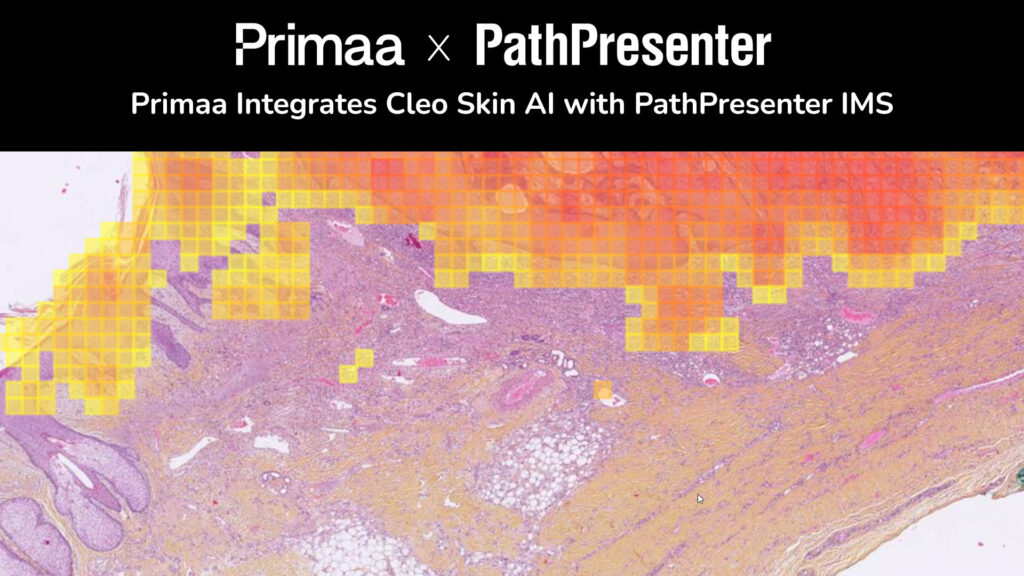
    Primaa Integrates Cleo Skin AI with PathPresenter IMS

    Cleo Skin is the first AI tool worldwide for dermatopathology, designed to assist pathologists in diagnosing melanoma, naevus, squamous cell carcinoma, and basal cell carcinoma from digitized histology slides

    • By providing AI-assisted classifications, Cleo Skin helps streamline pathologists’ workflows, enhancing diagnostic accuracy and supporting better patient outcomes.
    • Integration with PathPresenter’s platform makes Cleo Skin available to a wider audience of pathologists worldwide.
    • Live demos of Cleo Skin integrated into PathPresenter will be given at ASDP 2025, showcasing the tool’s capabilities in a practical setting.

    Transforming Dermatopathology with AI

    Paris, FRANCE and Montville, NJ, USA — 6 November 2025 — Primaa and PathPresenter announce the integration of Primaa’s flagship AI solution, Cleo Skin, with PathPresenter’s FDA 510(k) and CE-IVDR cleared clinical viewer and IMS platform. This partnership, combining the analytical power of Primaa’s model with the reach of PathPresenter’s platform, provides an expanded audience of pathologists with a unique opportunity to enhance both the accuracy and efficiency of skin cancer diagnosis.

    “Our mission has always been to empower pathologists with AI tools that make their work faster, more precise, and more reliable. With Cleo Skin now integrated with PathPresenter more pathologists can experience firsthand how AI can transform dermatopathology practice, improving both workflow and patient outcomes.” explains Fanny Sockeel, CEO and co-founder of Primaa.

    Cleo Skin is the first AI tool worldwide designed specifically to assist in diagnosing the three most common skin cancers: melanoma, squamous cell carcinoma, and basal cell carcinoma. By analyzing digitized histology slides, the tool highlights areas of interest and provides AI-assisted classifications, helping pathologists make faster and more consistent decisions.

    “We’re thrilled to partner with Primaa in bringing Cleo Skin to the PathPresenter platform,”  said Dr. Cory Batenchuk, SVP of Operations and co-founder of PathPresenter. “By integrating Primaa’s groundbreaking AI with our IMS, we’re empowering pathologists worldwide with more tools that enhance diagnostic accuracy and improve clinical outcomes. This collaboration, including our support for Primaa’s current clinical validation study, reflects our shared commitment to advancing the practice of pathology through innovation and accessibility.” 

    Primaa and PathPresenter will demonstrate the integration live at the ASDP 2025 conference in Baltimore, November 6-9. We welcome everyone to visit us at the show for the opportunity to explore Cleo Skin on the platform and see its real-world applications in a safe, controlled environment, and experience the tangible benefits of AI in everyday dermatopathology practice.

    Members of the College of American Pathologists can also test and explore Cleo Skin in a safe, hands-on environment through CAP’s interactive AI studio (aistudio.cap.org), powered by PathPresenter. Users can interact directly with digitized slides, observe AI outputs, and evaluate how the tool improves diagnostic confidence and workflow efficiency. 

    Clinical Validation and Educational Impact

    Looking ahead, Primaa will share results from its ongoing clinical validation study in the United States, with updates expected at USCAP 2026. This study underscores Primaa’s commitment to rigorous clinical validation and the adoption of AI-powered solutions by leading pathology institutions.

    By integrating Cleo Skin on PathPresenter, Primaa empowers pathologists to experience firsthand the capabilities of AI in dermatopathology, enabling faster, more accurate, and more consistent diagnoses while supporting improved patient outcomes.

    About Primaa 

    Primaa is a leading provider of integrated AI solutions dedicated to enhance the accuracy and efficiency of biomarker detection in dermatopathology and breast pathology. Its flagship tools, Cleo Breast and Cleo Skin, support pathologists in delivering faster and more reliable diagnoses, ultimately redefining how tissue lesions are assessed. Learn more at www.primaa.com.

    About PathPresenter 

    PathPresenter is an enterprise-grade digital pathology platform designed by pathologists for pathologists. It provides a vendor-neutral image management and workflow solution supporting clinical diagnosis, remote consultation, education, and research. Its Clinical Viewer has earned FDA 510(k) clearance and CE-IVDR certification for primary diagnosis in approved configurations. By enabling integration with best-in-class AI tools and fostering interoperability, PathPresenter helps laboratories adopt advanced digital pathology workflows confidently and efficiently. Learn more at www.pathpresenter.com.

    Media Contacts 

    Perrine Salembier: perrine@primaalab.com 
    Neil Humphrey: neil@pathpresenter.com

    Pathology’s Goldmine: Use it or Lose it

    Every day, pathology departments across the world generate petabytes of data — from whole-slide images and molecular assays to lab reports and genomic sequences. It’s one of the richest, largest and most valuable data ecosystems in all of healthcare.

    Yet, much of this data sits idle — hidden in fragmented systems and locked away in silos with little to no interoperability within the department. When it comes to the institution, there’s often minimal connection between the clinical information housed in the electronic medical record (EMR) and the diagnostic or molecular workup data produced in pathology.

    These systems speak different digital languages, rarely sharing a unified context. As a result, critical insights — like how a molecular alteration influenced treatment or how a diagnosis correlated with outcomes — are lost in translation. The potential to learn from every case, to link diagnosis to prognosis, remains largely unrealized.

    To make matters worse, data access still depends on cumbersome manual processes. Teams spend countless hours creating Excel sheets or CSV files to match metadata with source images and reports, often relying on “honest brokers” to manage the datasets. This inefficient workflow has become one of the biggest barriers to progress, keeping pathology’s immense data resources underutilized — accessible only for limited, project-specific analyses instead of the integrated insights that could truly transform patient care.

    Meanwhile, artificial intelligence is advancing rapidly — with or without pathology. Across healthcare, major institutions and technology companies are building massive foundation models trained on multimodal data that combine text, imaging, and molecular information. These systems are already detecting subtle patterns, predicting mutations, and generating diagnostic reports.

    AI isn’t waiting for pathology to catch up. If the specialty doesn’t take ownership of its data, it risks becoming a passive supplier rather than an active leader in healthcare innovation. When someone else manages and monetizes your data, you don’t just lose control — you lose influence, identity, and relevance.

    Data, after all, is the new oil — but raw oil is worthless without refining, governance, and strategic deployment. History makes that clear: nations that built infrastructure and controlled their energy ecosystems became global powers, while those that didn’t remained dependent on others. Pathology now stands at the same crossroads.

    Departments that invest in standardized, interoperable data systems, digital workflows that generate structured insights, and governance frameworks that ensure privacy, quality, and fairness will become the backbone of precision medicine. Those that fail to do so will end up as data providers for someone else’s AI. The goal isn’t simply to adopt artificial intelligence — it’s to own the ecosystem that makes AI possible.

    The next decade will determine whether pathology leads this transformation or is led by it. The departments that thrive will be those that recognize that data isn’t an IT problem — it’s an institutional asset. That digital pathology isn’t a cost center — it’s the foundation of strategic control. And that governance isn’t bureaucracy — it’s leverage.

    The goldmine is already there. But unless pathology departments build the pipelines, governance, and strategy to manage it, someone else will.

    Pathology’s future won’t hinge on who has the most slides, but on who can manage them best. The time to act is now.

    About the Author

    Dr. Rajendra Singh is Director of Dermatopathology at Summit Health and co-founder of PathPresenter. He serves as a member of the Digital and Computational Pathology Committee of the CAP, Editorial Board of the WHO for Classification of tumors, 5th Edition and the Board of Digital Pathology Association.

    PathPresenter Achieves CE Mark for IVDR Compliance with Digital Pathology Clinical Viewer

    Regulatory milestone clears path for expansion in Europe

    New Jersey — October 23, 2025 — PathPresenter (www.pathpresenter.com), a leading Image Management System and workflow platform for digital pathology, is proud to announce that the PathPresenter Clinical Viewer has met the requirements of the EU In Vitro Diagnostic Regulation (IVDR 2017/746) and can now bear the CE mark. This certification clears it for clinical use in primary diagnosis in Europe.  

    The Clinical Viewer is a key part of PathPresenter’s vendor-agnostic digital pathology image management system (IMS), a comprehensive platform that includes not just slide viewing, but also workflow management, case tracking, image storage and archiving, integration with laboratory information systems (LIS), multi-user access, collaboration tools, and integrated remote second opinion capability.

    “Successfully meeting In Vitro Diagnostic Regulation (IVDR) requirements not only affirms the rigor of our clinical viewer but also underscores PathPresenter’s readiness to operate at a global scale,” said Brian Matcheski, Head of Regulatory at PathPresenter. “Coupled with our recent FDA 510(k) clearance, this milestone reflects the growing trust in our clinical solutions and paves the way for meaningful expansion into the European and international markets.” 

    PathPresenter’s powerful platform, designed to facilitate viewing, sharing, and collaborating on whole slide images, has been purpose-built to bridge gaps and integrate previously siloed systems. It offers a robust, secure, tech-forward platform that takes maximum advantage of whole slide imaging and digital workflows to serve the ultimate goal of a clinician’s work: to provide the best clinical care.   

    To learn more about the PathPresenter platform for clinical use, visit https://pathpresenter.stg1.parel.co/clinical-care/.

    PathPresenter's clinical viewer now carries both FDA 510(k) clearance and CE-IVDR certification

    PathPresenter’s Clinical Viewer now carries both FDA 510(k) clearance and CE-IVDR certification.

    About PathPresenter 

    PathPresenter is an enterprise image management and workflow platform for digital pathology. We are on a mission to democratize access to the world’s pathology knowledge by connecting pathologists to the vast expertise of their colleagues globally and providing a practical platform to access and use best-in-class AI models. Founded by dermatopathologist and digital pathology pioneer Dr. Rajendra Singh, PathPresenter’s clinical viewer has been granted FDA 510(k) clearance for primary diagnosis when paired with qualified digital scanners and its secure, scalable, vendor-agnostic enterprise pathology workflow software has been adopted by tier one medical institutions for clinical care, education, and research. The company has built a thriving community of tens of thousands of users around the world to easily view and share digital pathology images and knowledge. Learn more at www.pathpresenter.com.

    Media Contacts 

    Neil Humphrey, VP of Marketing
    neil@pathpresenter.com
    +1 519 498 3402

    Voicebrook and PathPresenter Partner to Bring Speech-Enabled Reporting to Digital Pathology

    Voicebrook and PathPresenter announce a seamless integration that unites digital slide review with speech-enabled reporting, streamlining pathology workflows for greater efficiency, consistency, and patient care.

    Roslyn Heights, NY, October 3, 2025 – Voicebrook, Inc., the leading provider of pathology reporting solutions, and PathPresenter, a leading enterprise-grade digital pathology platform, today announced a new integration that combines digital slide navigation with speech-enabled reporting. The collaboration enables pathologists to work more efficiently and consistently while supporting high-quality patient care.

    The integration connects Voicebrook’s VoiceOver PRO reporting platform with PathPresenter’s enterprise digital pathology solution, allowing pathologists to review slides and generate reports using voice commands. Pathologists can dictate narrative findings, complete CAP protocols, and capture structured data without shifting focus away from the slides they are reviewing. This smooth connection reduces workflow interruptions and helps laboratories streamline case completion.

    “Our mission at PathPresenter is to empower pathologists with an intuitive, smart, vendor-neutral platform that supports clinical, research, and educational needs,” said Dr. Cory Batenchuk, SVP of Operations at PathPresenter. “Integrating with Voicebrook adds speech-enabled reporting to the digital pathology environment, helping pathologists stay focused on their diagnostic work.”

    “Pathologists need seamless tools that let them move easily from image review to reporting,” said Melanie Shedd, VP of Product at Voicebrook. “By combining PathPresenter’s robust digital pathology platform with VoiceOver PRO’s speech-enabled reporting, we allow laboratories to reduce manual steps, improve consistency, and deliver results more quickly.”

    With the joint solution, pathology teams benefit from:

    • Integrated Workflow: Direct connection between digital slide review and both narrative and protocol-driven reporting.
    • Hands-Free Navigation: Voice-enabled interaction reduces manual steps and helps maintain diagnostic focus.
    • Faster Turnaround: Streamlined processes help accelerate case navigation, review and reporting for improved patient care.

    The Voicebrook–PathPresenter integration is available now for laboratories seeking to modernize their diagnostic workflows with a seamless, voice-driven connection between slide review and reporting.

    About Voicebrook

    Founded in 2002, Voicebrook is the leading provider of reporting solutions for pathology, with approximately 3600 users at 500 sites worldwide. The company’s VoiceOver PRO and SynoptIQ software applications allow pathology professionals to rapidly and accurately create pathology reports. VoiceOver PRO incorporates speech recognition, digital dictation, customizable templates, CAP eCP, and an assortment of input devices, providing direct integration with the user’s Anatomic Pathology (AP) system. SynoptIQ is a full-featured eCP solution solely focused on CAP cancer reporting. Learn more at www.voicebrook.com

    About PathPresenter

    PathPresenter is an enterprise-grade digital pathology platform designed by pathologists for pathologists. It provides a vendor-neutral image management and workflow solution supporting clinical diagnosis, remote consultation, education, and research. Its Clinical Viewer has earned FDA 510(k) clearance for primary diagnosis in approved configurations. By enabling integration with best-in-class AI tools and fostering interoperability, PathPresenter helps laboratories adopt advanced digital pathology workflows confidently and efficiently. Learn more at www.pathpresenter.com

    PathPresenter Announces General Availability of Remote Second Opinion Web Portal on Amazon Web Services

    ConsultConnect enables institutions to scale their pathology remote second opinion programs globally without upfront implementation costs

    MONTVILLE, NJ –October 2, 2025 – PathPresenter, a leading Image Management System and workflow platform for digital pathology, is pleased to announce general availability of ConsultConnect, its innovative solution for digital pathology consultations and remote second opinions, powered by Amazon Web Services (AWS). This is PathPresenter’s first solution as a member of the AWS Partner Network (APN).

    Built by pathologists, ConsultConnect aims to provide leading institutions with the fastest, easiest, and most cost-effective way to scale their remote second opinion programs globally. Designed for institutions with significant subspecialty expertise, ConsultConnect addresses the two major barriers to adoption in digital pathology: budgeting and long implementation/integration times. ConsultConnect has no upfront implementation fees or subscription fees and offers a highly streamlined and simplified onboarding process, allowing institutions to get up and running with their cloud-based solution in days instead of months.

    “ConsultConnect is all about removing the barriers to going digital and creating ROI. For institutions seeking to expand their high-value remote second opinion services, ConsultConnect dramatically simplifies the whole process,” said Patrick Myles, CEO of PathPresenter. “With our launch on AWS, it’s easier than ever for pathology departments to demonstrate the value of digital pathology investment to their C-Suite and IT teams. With little or no risk, they can rapidly onboard referring hospitals and pathologists and ultimately provide seamless access for patients and physicians around the world to much-needed subspecialty experts for trusted second opinions.”

    ConsultConnect has been optimized to run on AWS HealthImaging to deliver low-latency, petabyte-scale digital pathology with the very best imaging performance and data integrity. AWS HealthImaging is a purpose-built, HIPAA-eligible service that enables healthcare providers and their software partners to store and transform medical imaging in the cloud, giving customers the performance, scale, and low total cost of ownership needed for large pathology workloads. AWS services provide robust security measures specifically designed for handling patient data across various healthcare entities. As an APN member, PathPresenter joins a global network of 100,000 Partners from more than 150 countries working with AWS to provide innovative solutions, solve technical challenges, win deals, and deliver value to mutual customers.

    Making Your ConsultConnection
    For more information on deploying ConsultConnect, see us at the Pathology Visions 25 conference in San Diego, CA, October 5-8. AWS will join PathPresenter’s pre-conference workshop “Into the Pathoverse” on October 5th, and you can speak with us live in booth 312 or visit www.pathpresenter.com/consultconnect/.

    About PathPresenter
    PathPresenter is an enterprise image management and workflow platform for digital pathology. We are on a mission to democratize access to the world’s pathology knowledge by connecting pathologists to the vast expertise of their colleagues globally and providing a practical platform to access and use best-in-class AI models. Founded by dermatopathologist and digital pathology pioneer Dr. Rajendra Singh, PathPresenter’s clinical viewer has been granted FDA 510(k) clearance for primary diagnosis when paired with qualified digital scanners and its secure, scalable, vendor-agnostic enterprise pathology workflow software has been adopted by tier one medical institutions for clinical care, education, and research. The company has built a thriving community of tens of thousands of users around the world to easily view and share digital pathology images and knowledge. Learn more at www.pathpresenter.com.